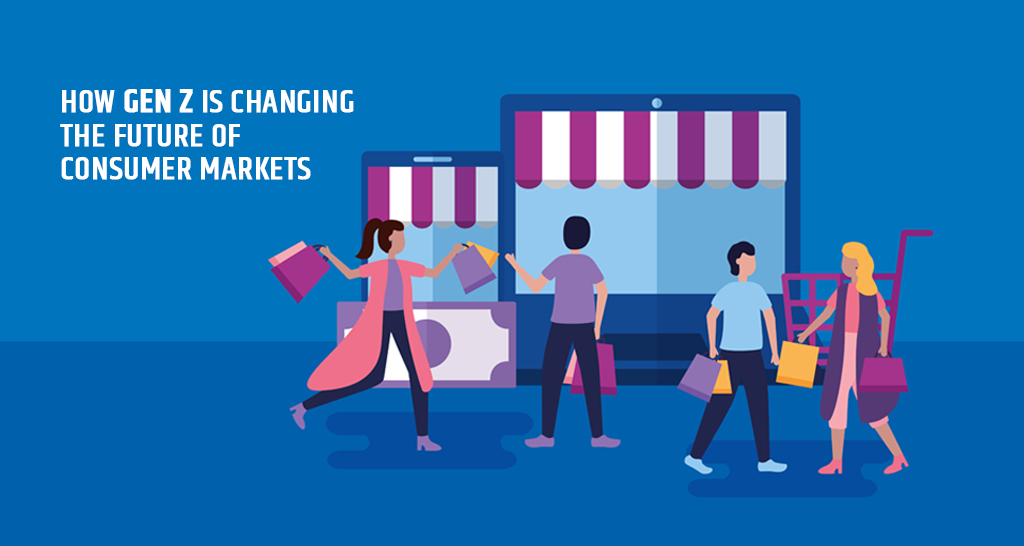
Generation Z, commonly known as Gen Z, is rapidly transforming the global consumer market. Born between the late 1990s and early 2010s, this generation has grown up in a fully digital world shaped by smartphones, social media, instant communication, and fast-changing trends. Unlike previous generations, Gen Z consumers are highly informed, socially aware, and deeply influenced by online communities and digital experiences.
Today, businesses across industries are redesigning their marketing strategies, products, and customer experiences to meet the expectations of Gen Z. From fashion and technology to hospitality and travel, the influence of this generation is becoming impossible to ignore.
Digital-First Lifestyle Is Redefining Consumer Behavior
Gen Z spends a significant amount of time online, making digital platforms the center of their shopping journey. Social media platforms like Instagram, TikTok, and YouTube are no longer just entertainment channels — they are powerful marketplaces influencing buying decisions every day.
Unlike traditional consumers who relied heavily on television or print advertising, Gen Z trusts online reviews, influencers, and real customer experiences. They prefer discovering products through short-form videos, creator recommendations, and engaging digital content rather than conventional advertisements.
Businesses are now focusing on creating visually appealing, interactive, and mobile-friendly content to capture the attention of this generation. Brands that fail to adapt to digital-first communication risk losing relevance in the modern market.
Authenticity Matters More Than Traditional Advertising
One of the biggest shifts Gen Z has introduced is the demand for authenticity. This generation values honesty, transparency, and real connections with brands. They quickly recognize overly promotional marketing and prefer brands that communicate naturally and genuinely.
Consumers today are more likely to support companies that share real stories, showcase behind-the-scenes content, and interact openly with their audience. Brands that demonstrate human values and emotional storytelling often create stronger relationships with Gen Z customers.
This shift has encouraged businesses to focus less on polished corporate messaging and more on authentic brand experiences that build trust and emotional connection.
Sustainability Is Influencing Purchase Decisions
Gen Z consumers are highly conscious about environmental and social issues. Sustainability is no longer just a trend — it has become a major factor influencing purchasing decisions.
Many young consumers actively support brands that prioritize eco-friendly packaging, ethical sourcing, renewable energy, and sustainable business practices. They are willing to pay more for products that align with their values and contribute positively to society.
As a result, businesses across industries are investing in sustainable production methods and transparent environmental initiatives. Brands that ignore sustainability may struggle to connect with future consumers.
Social Media Trends Drive Market Demand
Gen Z has accelerated the speed at which trends emerge and disappear. Viral social media content can instantly increase demand for products, restaurants, travel destinations, and fashion styles.
A single trending video or influencer collaboration can generate millions of views and significantly impact sales within hours. This fast-moving trend culture forces businesses to become more flexible, creative, and responsive to online conversations.
Companies are now closely monitoring social media behavior to identify consumer interests and adapt their products quickly. Real-time marketing has become an essential strategy in the Gen Z era.
Personalized Experiences Are Becoming Essential
Modern consumers expect brands to understand their preferences and provide personalized experiences. Gen Z values customization in everything from shopping recommendations to travel experiences and online interactions.
Businesses are using artificial intelligence, customer data, and behavioral insights to deliver tailored content, product suggestions, and unique customer journeys. Personalized experiences help brands increase customer satisfaction and long-term loyalty.
In industries like hospitality and luxury travel, personalization has become a key factor in attracting younger consumers seeking memorable and exclusive experiences.
The Future of Consumer Markets
As Gen Z continues to grow financially and professionally, their influence on global markets will become even stronger. Businesses that prioritize innovation, authenticity, sustainability, and digital engagement will have the greatest opportunity to succeed in this evolving consumer landscape.
The future of consumer markets is no longer driven only by products or pricing — it is shaped by experiences, values, emotional connections, and online influence. Companies that understand the mindset of Gen Z today will lead the industries of tomorrow.
Conclusion
Gen Z is not simply another generation of consumers; they are redefining how businesses communicate, market, and build relationships with customers. Their digital-first mindset, focus on authenticity, and commitment to sustainability are forcing brands to rethink traditional business models.
In 2026 and beyond, successful companies will be those that adapt to changing consumer expectations while creating meaningful, transparent, and engaging experiences. The rise of Gen Z marks the beginning of a new era in global consumer behavior — one driven by innovation, purpose, and connection.