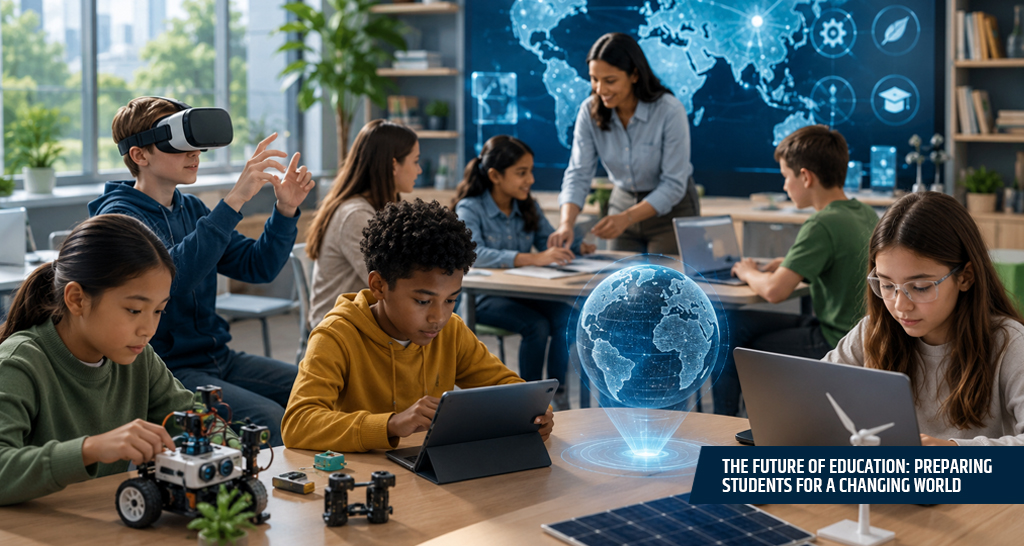
Education is the foundation of personal growth, economic development, and social progress. As technology continues to reshape industries and redefine careers, the education sector is undergoing a significant transformation. Today’s learners need more than traditional academic knowledge—they require critical thinking, creativity, adaptability, and digital skills to succeed in the modern world.
The Evolution of Learning
The traditional classroom model is evolving rapidly. Digital platforms, online courses, and interactive learning tools have made education more accessible than ever before. Students can now learn from anywhere, access global resources, and collaborate with peers across different countries. This shift has created opportunities for personalized learning experiences that cater to individual strengths and learning styles.
The Role of Technology in Education
Technology has become an essential part of modern education. Artificial Intelligence (AI), virtual reality, and adaptive learning systems are helping educators create more engaging and effective learning environments. These innovations allow students to learn at their own pace while providing teachers with valuable insights into student performance and progress.
Additionally, digital literacy has become a crucial skill. Understanding how to use technology responsibly and effectively is now just as important as mastering traditional subjects.
Developing Future-Ready Skills
Employers today are looking for individuals who can solve complex problems, communicate effectively, and work collaboratively. Educational institutions are increasingly focusing on developing these skills alongside academic achievement.
Key future-ready skills include:
- Critical Thinking
- Problem Solving
- Communication
- Creativity
- Collaboration
- Digital Literacy
- Emotional Intelligence
- Leadership
By nurturing these competencies, educators can prepare students for careers that may not even exist today.
Personalized Learning: A Student-Centered Approach
Every student learns differently. Personalized learning allows educators to tailor instruction based on individual needs, interests, and abilities. This approach helps improve engagement, motivation, and academic outcomes.
Through data-driven insights and adaptive technologies, students can receive customized learning experiences that support their unique educational journey.
The Importance of Lifelong Learning
Learning no longer ends with graduation. In a rapidly changing world, continuous learning has become essential for career growth and personal development. Professionals must regularly update their skills to remain competitive and relevant.
Educational institutions, businesses, and governments are increasingly promoting lifelong learning initiatives to support workforce development and innovation.
Conclusion
The future of education is dynamic, technology-driven, and student-centered. By embracing innovation, fostering critical skills, and encouraging lifelong learning, educators can empower students to thrive in an ever-changing global landscape. As education continues to evolve, its ultimate goal remains the same: equipping individuals with the knowledge, skills, and confidence needed to build successful and meaningful lives.