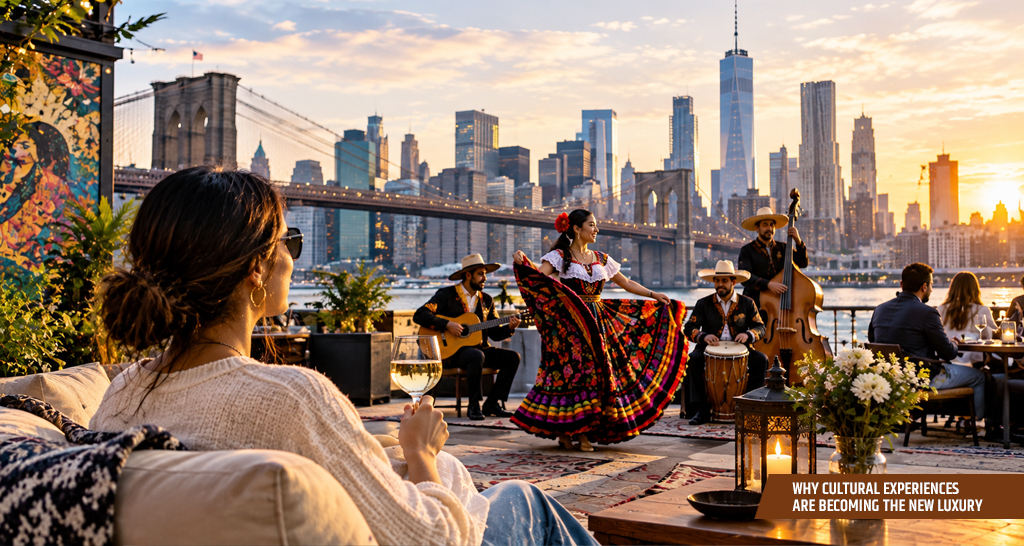
Luxury hospitality is undergoing a significant transformation. For decades, luxury was closely associated with elegant accommodations, exclusive amenities, personalized service, fine dining, and exceptional comfort. While these elements remain important, today’s travelers are increasingly looking for something that cannot simply be purchased or replicated: a genuine connection with the destination.
From private heritage tours and local culinary experiences to traditional craftsmanship and community-led activities, cultural immersion is becoming an increasingly important part of the luxury travel experience. For hotels and resorts, this creates an opportunity to move beyond conventional luxury and offer guests experiences that are authentic, personal, and memorable.
From Material Luxury to Experiential Luxury
The definition of luxury has evolved alongside traveler expectations. A beautifully designed suite may impress a guest, but an experience that connects them with the history, people, and traditions of a destination can remain memorable long after the stay has ended.
This shift represents the rise of experiential luxury—where value is measured not only by what guests receive, but by what they experience and remember.
Luxury travelers increasingly seek experiences that feel exclusive without necessarily being extravagant. A private visit to a historic site, a conversation with a local artisan, or a traditional meal prepared using regional techniques can offer a sense of discovery that a standard hotel amenity cannot provide.
Authenticity Is the New Exclusivity
Modern travelers are surrounded by global brands and standardized experiences. As a result, authenticity has become increasingly valuable.
Hotels can differentiate themselves by reflecting the identity of their destinations rather than creating environments that feel disconnected from their surroundings.
This might involve incorporating local architecture and design, showcasing regional artwork, serving traditional cuisine, or collaborating with local cultural experts.
The goal is not simply to display local culture, but to create meaningful opportunities for guests to engage with it.
Culinary Experiences That Tell a Story
Food has always been an important part of travel, but luxury hospitality is increasingly using cuisine as a gateway to culture.
Instead of simply offering a menu featuring local ingredients, hotels can create experiences around the stories behind those ingredients and dishes.
Guests might participate in a traditional cooking class, visit a local market with a chef, experience a regional food festival, or enjoy a private dinner inspired by local heritage.
Such experiences transform dining from a service into a cultural journey.
The Rise of Local Art and Craftsmanship
Traditional craftsmanship provides another powerful way for hotels to connect guests with local culture.
Properties can collaborate with artisans, designers, artists, and craftspeople to introduce guests to techniques and traditions that have been passed down through generations.
Workshops, demonstrations, curated exhibitions, and artisan-led experiences can give travelers the opportunity to understand the creative identity of a destination.
For the guest, the experience becomes more than buying a souvenir. It becomes an opportunity to understand the story and skill behind the object.
Heritage as a Luxury Experience
Historic destinations offer hotels an extraordinary opportunity to turn heritage into an experience.
Castles, palaces, old city districts, archaeological sites, religious architecture, museums, and historic neighborhoods can become important elements of a luxury itinerary when presented thoughtfully.
Private or carefully curated tours can provide guests with deeper insights into the destination while maintaining comfort and personalization.
The challenge for hospitality leaders is to make heritage accessible without reducing it to a commercial attraction. Respect for historical and cultural significance must remain central.
Connecting Guests With Local Communities
Meaningful cultural experiences often involve people as much as places.
Hotels can work with local guides, artists, chefs, musicians, historians, and community organizations to create authentic experiences while contributing to the local economy.
This approach can benefit both visitors and destinations. Guests gain a deeper understanding of the place they are visiting, while local communities can gain opportunities to showcase their knowledge, skills, and traditions.
When thoughtfully developed, cultural tourism can therefore become part of a hotel’s broader approach to responsible hospitality.
Personalization Makes Cultural Experiences More Powerful
Not every traveler wants the same cultural experience.
One guest may be fascinated by architecture and history, while another may prefer food, music, art, or outdoor traditions. Luxury hotels have an opportunity to use personalization to match cultural experiences with individual interests.
For example, a hotel could design different experiences for:
- Art and design enthusiasts
- Culinary travelers
- History and heritage lovers
- Families seeking educational experiences
- Wellness-focused travelers
- Adventure and nature enthusiasts
- Guests interested in local craftsmanship
This combination of personalization and cultural immersion can make an experience feel genuinely unique.
Technology Can Enhance, Not Replace, Culture
Technology is also playing a growing role in cultural storytelling.
Digital guides, augmented reality, multilingual platforms, AI-powered recommendations, and interactive hotel applications can help guests discover local history and experiences before and during their stay.
However, technology works best when it supports authentic human experiences rather than replacing them.
A digital guide can explain the history of a landmark, but a conversation with a local historian can provide context, personal stories, and perspectives that technology may not capture.
The strongest hospitality experiences combine digital convenience with human connection.
Cultural Experiences and Sustainable Hospitality
Cultural tourism can also support broader sustainability goals when developed responsibly.
Working with local suppliers, artisans, guides, restaurants, and community organizations can help distribute tourism spending within the destination. Promoting local culture can also encourage the preservation of traditional crafts, culinary practices, and heritage.
However, hotels must approach cultural tourism carefully. Authentic traditions should not be unnecessarily commercialized, and communities should have a meaningful role in determining how their culture is represented.
Responsible cultural hospitality is therefore about participation, respect, and shared value, rather than simply using culture as a marketing tool.
What This Means for Luxury Hotels
For hotel leaders, the growing importance of cultural experiences presents an opportunity to rethink the guest journey.
Luxury properties can ask:
- What makes our destination unique?
- Which local stories can we responsibly share?
- Which communities and creators can we collaborate with?
- How can we personalize cultural experiences for different guests?
- How can these experiences support the local economy?
- How can we preserve authenticity while maintaining luxury standards?
Answering these questions can help hotels create experiences that are difficult for competitors to replicate because they are rooted in the identity of the destination itself.
The Future of Luxury Is About Connection
The future of luxury hospitality may not be defined simply by larger suites, more sophisticated technology, or increasingly exclusive amenities. Instead, it may increasingly be defined by access, authenticity, discovery, and connection.
Travelers can purchase comfort almost anywhere. What they cannot easily purchase is the feeling of discovering something meaningful and experiencing a destination through the people, traditions, stories, and culture that make it unique.
For hotels, the opportunity is clear: luxury can become more than a level of service. It can become a gateway to understanding the world.
And when a guest returns home with not only photographs, but stories, memories, and a deeper connection to the destination, the hotel has created something far more valuable than a luxurious stay—it has created an experience worth remembering.