Luxury hospitality is entering a new chapter. For years, luxury hotels were largely defined by elegant interiors, exceptional amenities, personalized service, and exclusivity. Today, travelers increasingly look beyond beautifully designed rooms and five-star facilities. They want experiences that feel personal, authentic, memorable, and meaningful.
The modern luxury guest is not simply asking, “What does this hotel offer?” They are asking, “How does this experience make me feel?” This shift is encouraging hotels and resorts to rethink the traditional definition of luxury and place human connection, personalization, wellness, culture, and purpose at the heart of the guest journey.
The Evolution of Luxury Hospitality
Luxury has traditionally been associated with premium materials, spacious accommodations, fine dining, private amenities, and highly attentive service. While these elements remain important, they are no longer the only factors shaping a guest’s perception of value.
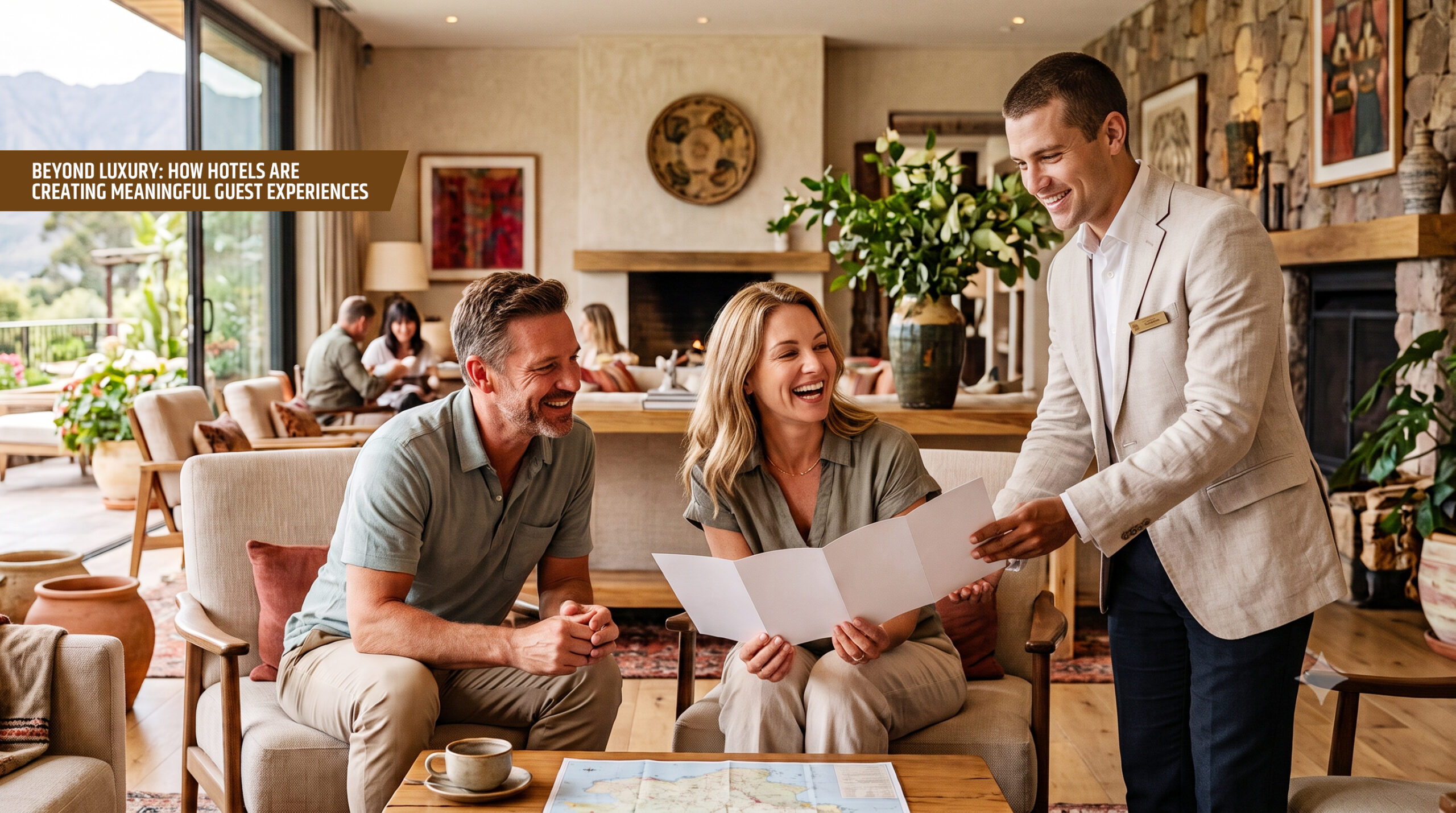
Today, luxury can be found in something as simple as a team member remembering a guest’s preferred morning beverage, arranging a meaningful local experience, or creating a quiet environment where a traveler can genuinely disconnect.
This evolution represents a move from material luxury to experiential luxury. Hotels are increasingly focusing on what guests remember after they leave rather than simply what they experienced during their stay.
Personalization Beyond Preferences
Personalization has become one of the most important elements of modern hospitality. However, meaningful personalization goes beyond remembering a guest’s room preference or favorite meal.
Hotels can use guest insights to understand travel purpose, interests, and expectations while ensuring that technology supports rather than replaces human interaction.
A family celebrating an anniversary, a business executive seeking privacy, and a solo traveler looking for cultural exploration may stay at the same property but expect completely different experiences.
The opportunity for hospitality brands is to create journeys that feel individually considered without becoming intrusive. When personalization is thoughtful and relevant, guests are more likely to feel recognized rather than simply processed.
Creating Connections With Local Culture
Travelers increasingly seek experiences that connect them with the destination itself.
Hotels can become gateways to local culture by introducing guests to regional cuisine, traditional craftsmanship, heritage, art, music, and community experiences. Instead of creating an environment that could exist anywhere in the world, properties can incorporate authentic elements that reflect their location.
A resort in the Middle East, for example, can showcase regional culinary traditions, architecture, storytelling, and desert experiences. A European property might build experiences around local history, cuisine, art, and craftsmanship.
This approach transforms a hotel stay from simply visiting a destination to experiencing it.
Wellness as a Meaningful Experience
Wellness is also expanding beyond traditional spa treatments.
Today’s guests may value opportunities to sleep better, reconnect with nature, exercise, eat thoughtfully, reduce stress, or simply slow down. Hotels are responding by integrating wellness into multiple parts of the guest journey.
This can include:
- Sleep-focused room experiences
- Healthy and locally sourced dining
- Outdoor and nature-based activities
- Mindfulness and relaxation programs
- Fitness and recovery facilities
- Digital-detox experiences
- Personalized wellness activities
The emphasis is increasingly on holistic wellbeing rather than treating wellness as a single hotel amenity.
Technology With a Human Purpose
Artificial intelligence, mobile applications, smart rooms, contactless services, and digital concierge systems are transforming hotel operations. Yet technology alone does not create meaningful hospitality.
The most effective approach is to use technology to remove friction while giving employees more time to focus on people.
Guests may appreciate a seamless mobile check-in, instant service request, or personalized recommendation. But when a guest needs assistance with an important or unexpected situation, genuine human interaction remains invaluable.
The future of luxury hospitality may therefore depend less on choosing between technology and human service and more on finding the right balance between the two.
Designing Moments Guests Remember
A meaningful guest experience is often built around small moments rather than expensive additions.
A thoughtful welcome, a handwritten note, a surprise celebration, a locally inspired breakfast, or a recommendation from a knowledgeable hotel employee can leave a stronger impression than another physical amenity.
These moments demonstrate an important principle:
Luxury is not always about giving guests more. Sometimes, it is about understanding what matters to them.
Hotels that successfully identify these moments can turn an ordinary stay into a memorable story that guests are willing to share with friends, family, and online communities.
Sustainability With Purpose
Sustainability is also becoming part of the modern luxury conversation. Guests increasingly want to understand how their travel choices affect destinations, communities, and the environment.
Hotels can incorporate responsible practices through energy efficiency, water conservation, local sourcing, waste reduction, responsible design, and community partnerships.
Importantly, sustainability does not have to compromise luxury. Thoughtfully designed sustainable experiences can actually strengthen a property’s identity and create a deeper connection between guests and the destination.
The Role of Hospitality Leaders
Creating meaningful guest experiences requires more than changing amenities or introducing new technology. It requires leadership.
General Managers, hotel executives, and department leaders play a critical role in building cultures where employees are empowered to understand guests and respond creatively to their needs.
When employees feel trusted and valued, they are better positioned to deliver authentic hospitality. A memorable guest experience often begins behind the scenes—with a strong organizational culture and leaders who understand that service is ultimately about people.
The Future of Luxury Is Meaningful
The hospitality industry is moving toward a broader understanding of luxury. Beautiful surroundings, exceptional facilities, and premium service will remain important, but the definition of luxury is becoming increasingly emotional and experiential.
The hotels that stand out in the years ahead will be those that understand their guests beyond their booking details. They will create experiences that connect people with places, cultures, communities, wellness, and one another.
Ultimately, the next generation of luxury hospitality will not be defined only by what hotels provide, but by what guests feel, remember, and take with them when they leave.
In a competitive global hospitality market, that emotional connection may become one of the most valuable experiences a hotel can offer.