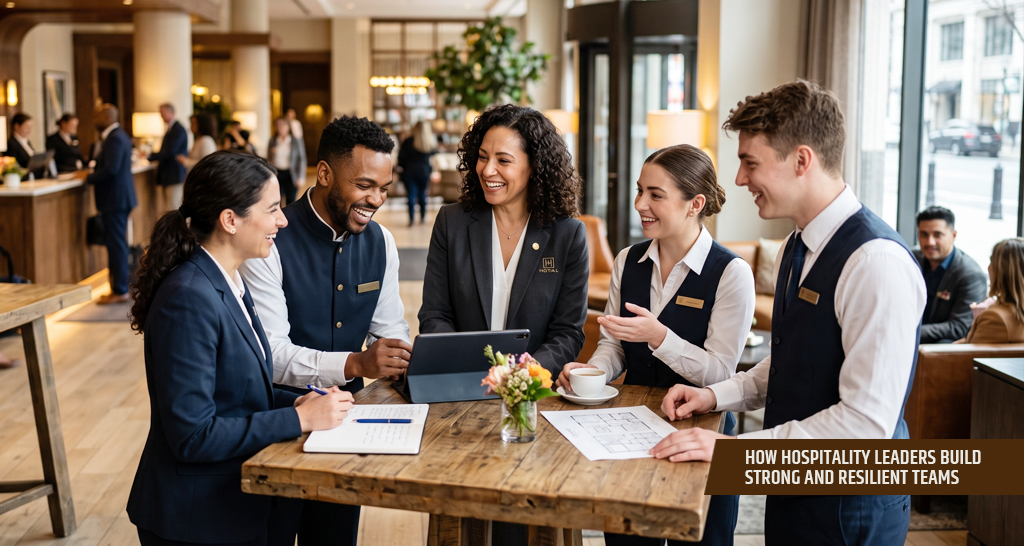
The hospitality industry is built on people. While luxurious properties, innovative technology, and exceptional amenities enhance the guest experience, it is the dedication, professionalism, and teamwork of employees that truly define a hotel’s success. In an industry where guest expectations continue to evolve and operational challenges can arise without warning, resilient teams have become one of the most valuable assets for hospitality organizations.
Strong hospitality leaders recognize that resilience is not created during a crisis—it is developed through consistent leadership, a positive workplace culture, and a long-term investment in people. By empowering employees, encouraging collaboration, and promoting continuous learning, they create teams that remain confident, adaptable, and committed to delivering exceptional service regardless of the circumstances.
Create a Culture of Trust
Trust is the cornerstone of every successful hospitality team. Employees perform at their best when they feel respected, heard, and supported by their leaders. Transparent communication, fair decision-making, and consistent feedback help establish an environment where staff members are comfortable sharing ideas and addressing challenges.
Leaders who maintain open communication during both successes and difficult times strengthen employee confidence and encourage accountability throughout the organization.
Invest in Continuous Learning
Hospitality is constantly evolving, with new technologies, changing guest expectations, and emerging service standards shaping the industry. Successful leaders prioritize ongoing training and professional development to ensure their teams remain skilled and adaptable.
Cross-training employees across multiple departments not only improves operational flexibility but also enables staff to better understand the guest journey, resulting in stronger collaboration and more efficient service delivery.
Empower Employees to Make Decisions
Guests appreciate fast, personalized service. Hospitality leaders who empower employees to make appropriate decisions without waiting for managerial approval create a more responsive and satisfying guest experience.
Empowered employees gain confidence, develop problem-solving skills, and take greater ownership of their responsibilities. This sense of accountability strengthens both individual performance and overall team resilience.
Recognize and Reward Performance
Recognition plays a significant role in employee engagement. A simple acknowledgment of outstanding work, performance awards, career advancement opportunities, or public appreciation can significantly boost morale and motivation.
When employees feel valued, they become more committed to organizational goals and are more likely to remain loyal to the company, reducing turnover and strengthening team stability.
Prioritize Employee Well-Being
The hospitality industry often involves demanding schedules and high-pressure environments. Leaders who actively support employee well-being create healthier, more productive workplaces.
Flexible scheduling where possible, mental wellness initiatives, employee assistance programs, and a healthy work-life balance contribute to higher job satisfaction and lower burnout. Teams that feel supported are better equipped to maintain high service standards even during busy periods.
Lead by Example
Exceptional hospitality leaders demonstrate the behaviors they expect from their teams. Whether assisting during peak operations, maintaining professionalism under pressure, or treating every employee with respect, leaders set the tone for the entire organization.
Employees naturally follow leaders who consistently display integrity, accountability, empathy, and a commitment to excellence.
Embrace Innovation Without Losing the Human Touch
Technology has become an integral part of modern hospitality, from AI-powered guest services and mobile check-ins to data-driven operations. However, technology should enhance—not replace—the personal interactions that define exceptional hospitality.
Successful leaders ensure their teams are comfortable adopting new technologies while continuing to deliver warm, authentic, and personalized guest experiences.
Encourage Collaboration Across Departments
Outstanding guest experiences depend on seamless teamwork between front office, housekeeping, food and beverage, engineering, sales, and other departments. Hospitality leaders foster collaboration by breaking down silos, encouraging regular communication, and aligning all teams around a shared commitment to guest satisfaction.
When departments work together effectively, operational efficiency improves, service consistency increases, and employees develop a stronger sense of purpose.
Build Future Leaders
Resilient organizations prepare for tomorrow by developing today’s talent. Hospitality leaders identify high-potential employees, provide mentorship, and create opportunities for career growth. Succession planning ensures leadership continuity while inspiring employees to remain engaged and committed to the organization.
Investing in future leaders strengthens the workforce and builds a sustainable foundation for long-term success.
Conclusion
Building strong and resilient teams is not a one-time initiative—it is an ongoing leadership commitment. Hospitality leaders who cultivate trust, invest in development, empower employees, embrace innovation, and prioritize well-being create organizations capable of adapting to change while consistently delivering outstanding guest experiences.
As the hospitality industry continues to evolve, the greatest competitive advantage will not simply be exceptional properties or advanced technology. It will be resilient people working together with a shared purpose, supported by leaders who understand that lasting success always begins with a strong team.