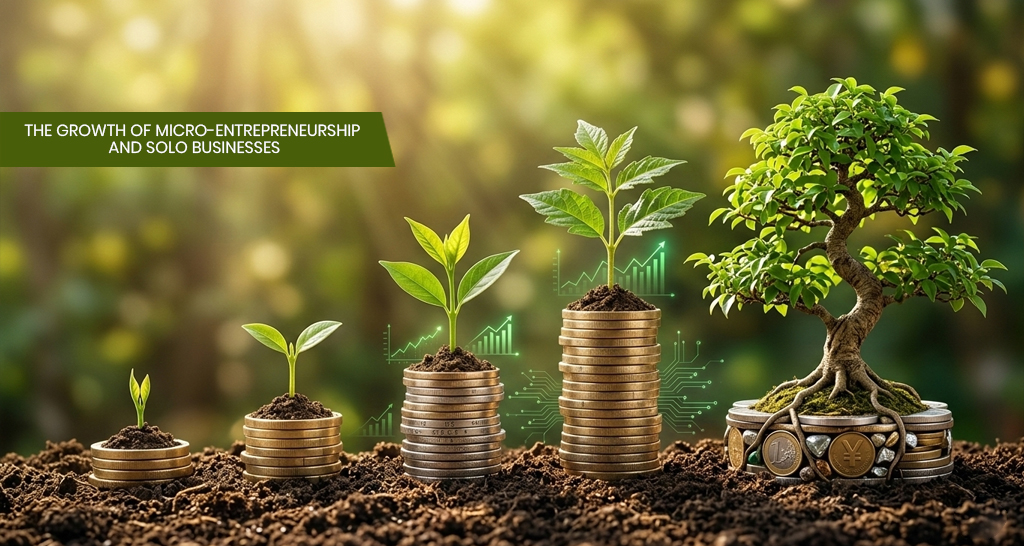
In recent years, the business landscape has been transformed by the rapid rise of micro-entrepreneurship and solo businesses. Individuals are increasingly choosing to start and run their own small ventures, often independently, without large teams or significant capital. Advances in technology, digital platforms, and online marketplaces have made it easier than ever for people to turn their skills, passions, and ideas into profitable businesses.
Micro-entrepreneurs are freelancers, creators, consultants, and small online business owners who operate on a smaller scale but often have a strong impact in their niche markets. This shift reflects a broader trend toward flexibility, independence, and innovation in the modern economy.
The Rise of Independent Professionals
Many professionals are moving away from traditional employment and exploring independent career paths. Freelancers, designers, writers, marketers, and consultants are building their own brands and offering specialized services directly to clients.
Digital platforms and remote work opportunities have made it possible for solo entrepreneurs to work with clients across the world. This independence allows individuals to control their schedules, pursue creative ideas, and build businesses around their personal strengths.
Technology Empowering Small Businesses
Technology has played a major role in the growth of micro-entrepreneurship. Online tools allow individuals to manage marketing, payments, communication, and customer relationships with ease.
E-commerce platforms, social media marketing, and digital payment systems have lowered the barriers to starting a business. Today, a single entrepreneur can run an entire business from a laptop, reaching customers globally without needing large infrastructure.
Lower Costs and Greater Flexibility
One of the biggest advantages of solo businesses is their low operational cost. Without large offices, teams, or heavy investments, entrepreneurs can start small and grow gradually. This flexibility allows individuals to experiment with new ideas and adapt quickly to changing market trends.
Solo entrepreneurs can also pivot their business models more easily than larger organizations, making them highly resilient in uncertain economic conditions.
Building Personal Brands
Successful micro-entrepreneurs often focus on building strong personal brands. By sharing expertise, insights, and authentic stories, they attract loyal audiences and customers who trust their work.
Social media platforms, blogs, and online communities provide opportunities for entrepreneurs to showcase their knowledge and establish credibility in their industries. A strong personal brand often becomes the foundation for long-term business success.
Conclusion
The growth of micro-entrepreneurship and solo businesses reflects a powerful shift in how people approach work and business creation. With access to digital tools, global markets, and online communities, individuals can now build successful ventures independently.
As technology continues to evolve and the demand for flexible work increases, micro-entrepreneurs will play an increasingly important role in shaping the future of business. Their creativity, adaptability, and independence are redefining what it means to be an entrepreneur in the modern economy. 🚀