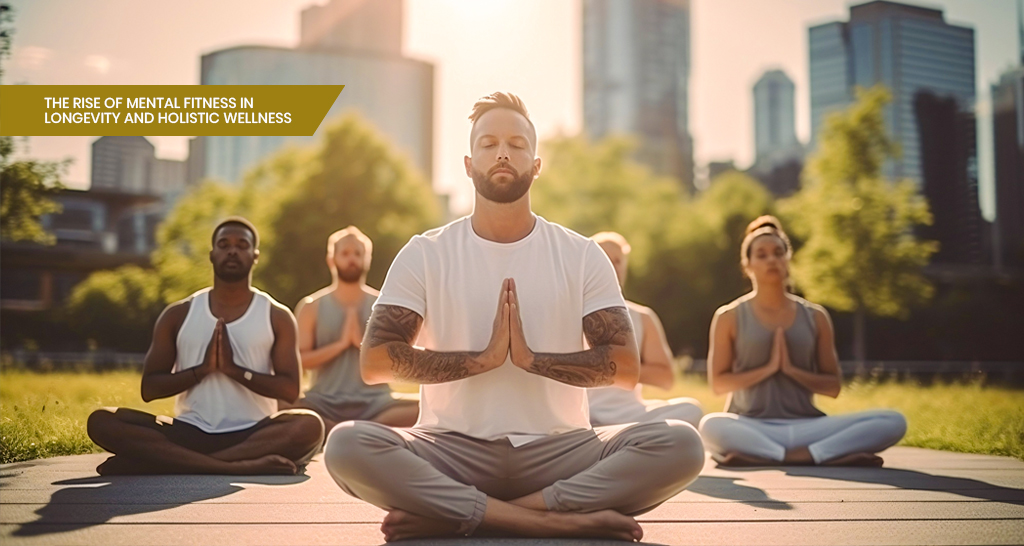
In 2026, wellness is no longer just about fixing problems when they appear. It’s about building strength — physically, emotionally, and mentally — before challenges arise. This shift has given birth to a powerful new focus: mental fitness.
While traditional mental health often deals with managing stress, anxiety, or burnout after they hit, mental fitness is proactive. It’s like going to the gym for your mind — training resilience, emotional regulation, focus, and nervous system flexibility every day. And it’s becoming one of the biggest drivers of longevity and holistic wellness.
Why Mental Fitness Matters More Than Ever for Longevity
isn’t only about living longer — it’s about healthspan, the years you live with energy, clarity, and joy. Chronic stress, poor emotional regulation, and a constantly activated “fight-or-flight” nervous system accelerate aging by increasing inflammation, disrupting sleep, weakening immunity, and even shortening telomeres (the protective caps on our DNA).
Research shows that people with higher psychological resilience have a significantly lower risk of death from any cause. Mental fitness helps regulate the nervous system, reduce chronic cortisol levels, and support better decision-making, relationships, and recovery from life’s inevitable setbacks.
In holistic wellness, the mind and body are deeply connected. Practices that strengthen mental fitness — breathwork, mindfulness, somatic exercises — also improve metabolic health, immune function, sleep quality, and even cellular repair. This is why experts now call mental fitness a core pillar of true longevity, alongside nutrition, movement, and sleep.
Key 2026 Trends Driving the Rise of Mental Fitness
- Nervous System Regulation Over Optimization
There’s a growing backlash against extreme biohacking and over-tracking. Instead, people are focusing on helping the nervous system feel safe through breathwork, vagus nerve stimulation, micro-meditations, and nature time. This “emotional fitness” builds resilience without burnout. - Mental Fitness as Daily Training
Just like physical workouts, mental training is becoming routine. Apps, wearables, and corporate programs now offer “mental fitness days,” emotional agility coaching, and cognitive exercises that boost brain chemicals like acetylcholine, which naturally decline with age. - Women’s Longevity Lane
Longevity science is finally addressing women’s unique needs across life stages — from hormonal shifts to emotional resilience. Mental fitness practices are playing a central role here, helping women manage stress that affects ovarian aging and overall vitality. - Holistic Integration in Everyday Life
Mental fitness is moving beyond therapy into homes, workplaces, and even real estate. “Longevity residences” and wellness spaces now include dedicated areas for nervous system recovery, sound healing, and mindful movement. - Gut-Brain and Lifespan Brain Health
Science is deepening the link between gut health, inflammation, and mental clarity. Precision approaches combining nutrition, mindfulness, and lifestyle are helping people build brain health across all life stages.
Practical Ways to Build Mental Fitness for Longevity
You don’t need expensive gadgets to start. Here are actionable, holistic practices:
- Daily Breathwork (5–10 minutes)
Techniques like alternate nostril breathing or box breathing calm the nervous system, reduce anxiety, and improve focus. Try it first thing in the morning or before bed - Mindful Movement
Combine yoga, Pilates, or walking with present-moment awareness. This strengthens both body and mind while boosting endorphins and cognitive function. - Emotional Check-Ins
Journal or practice “name it to tame it” — labeling emotions helps regulate them. Build emotional literacy so you respond instead of react. - Cognitive Training
Simple mental exercises, puzzles, learning a new skill, or even 30 minutes of focused reading can support brain chemicals linked to attention and memory. - Nervous System Recovery Rituals
Cold exposure (cold shower finish), nature walks, digital detoxes, or sound baths help shift from survival mode to rest-and-digest mode. - Social Connection & Play
Strong relationships and joyful activities reduce inflammation and support mental resilience. Schedule regular time with loved ones or pursue hobbies without performance pressure. - Sleep as Mental Recovery
Prioritize consistent, high-quality sleep. It’s when the brain clears toxins and consolidates emotional experiences.
Combine these with balanced nutrition (anti-inflammatory foods, gut-supporting fiber), regular physical activity, and nature exposure for a truly holistic approach.
The Future: Mental Fitness as Prevention
In 2026 and beyond, mental fitness will move from a niche interest to a mainstream necessity. Companies are adding mental fitness benefits, retreats are personalizing programs around emotional regulation, and individuals are treating their minds with the same discipline they give their bodies.
The best part? Small, consistent practices create compounding benefits — sharper thinking, better mood, stronger immunity, and potentially more healthy years ahead.
Final Thought
True longevity isn’t about chasing immortality through hacks. It’s about building a resilient, balanced, and joyful life from the inside out. Mental fitness is the missing link that ties holistic wellness together.
Start small today. Your future self — calmer, clearer, and more vibrant — will thank you.