
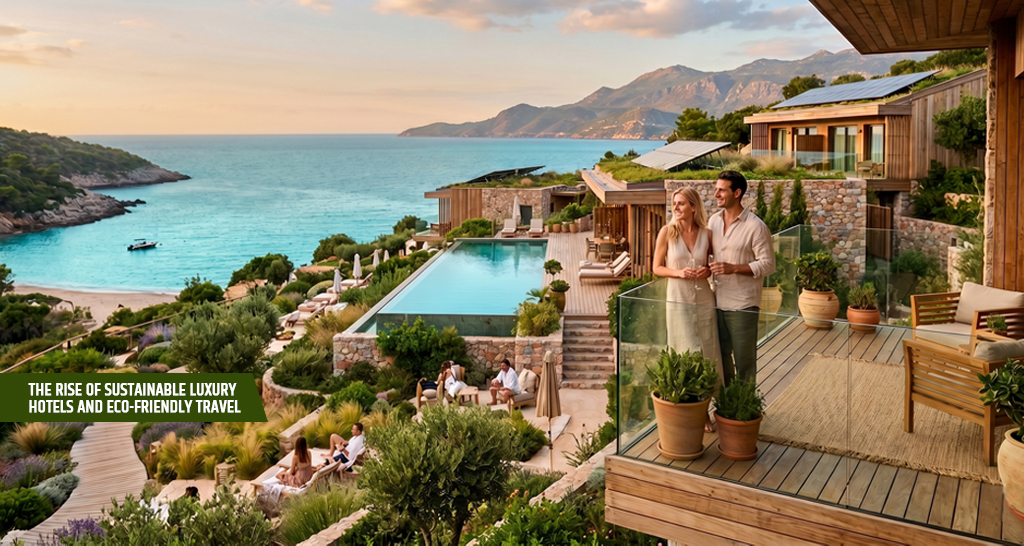
The global hospitality industry is evolving rapidly as sustainability becomes one of the biggest priorities for modern travelers. In 2026, luxury is no longer defined only by comfort and exclusivity. Today’s travelers are looking for meaningful experiences that combine premium hospitality with environmental responsibility. Luxury hotels around the world are adapting to this shift by introducing eco-friendly practices, wellness-focused experiences, and sustainable innovations that meet the expectations of conscious travelers.
1. Changing Preferences of Modern Travelers
Modern travelers are becoming more environmentally aware and are actively choosing hotels that align with their personal values. Guests now prefer eco-conscious accommodations, wellness-focused experiences, and ethical tourism options that allow them to travel responsibly without compromising comfort or luxury. This growing awareness is encouraging hospitality brands to create experiences that feel both luxurious and meaningful.
Social media, documentaries, and global environmental discussions have also influenced traveler behavior significantly. Guests are now researching hotel sustainability policies before making bookings and are more likely to support brands that demonstrate genuine environmental responsibility. This shift is changing the way luxury hospitality brands market their services and connect with customers.
2. Sustainable Luxury Is Redefining Hospitality
Luxury hotels are now integrating sustainability into their daily operations while maintaining world-class service standards. Many premium hospitality brands are adopting renewable energy solutions, reducing plastic waste, conserving water, and using sustainable materials in architecture and design. The modern concept of luxury is shifting from excessive consumption to conscious sophistication and responsible living.
Hotels are also investing in long-term sustainability programs that focus on reducing carbon footprints and improving operational efficiency. From eco-friendly housekeeping practices to sustainable food sourcing, hospitality businesses are finding innovative ways to balance luxury with environmental care. Guests appreciate brands that prioritize both comfort and responsibility.
3. Eco-Friendly Architecture and Design
Architecture and interior design are playing an important role in sustainable hospitality. Modern eco-luxury resorts are incorporating green rooftops, natural lighting systems, energy-efficient buildings, and nature-inspired spaces that create relaxing environments for guests. These sustainable designs not only reduce environmental impact but also improve guest wellness and overall travel experiences.
Designers are increasingly focusing on creating spaces that blend naturally with the surrounding environment. Hotels built near beaches, forests, or mountains are using local materials and open-air concepts to create authentic and immersive experiences. Sustainable architecture is helping guests feel more connected to nature while promoting environmentally responsible tourism.
4. The Growth of Wellness Tourism
Wellness tourism continues to grow rapidly as travelers prioritize mental health, relaxation, and personal well-being. Luxury eco-resorts are responding by offering yoga retreats, meditation programs, organic dining experiences, sustainable spa treatments, and nature-based wellness activities. Guests are increasingly choosing destinations that help them reconnect with nature while improving their physical and mental well-being.
The fast-paced digital lifestyle of modern consumers has increased demand for peaceful and restorative travel experiences. Many travelers now seek destinations that offer digital detox programs, mindfulness activities, and stress-free environments away from busy urban life. Wellness-focused hospitality is becoming one of the strongest drivers of luxury travel growth.
5. Technology Supporting Sustainable Travel
Technology is helping hotels improve sustainability while enhancing guest convenience. Smart hospitality systems such as AI-powered energy management, digital check-ins, paperless services, and intelligent climate control systems are helping luxury hotels reduce operational waste and improve efficiency. These innovations create smoother guest experiences while supporting environmentally responsible operations.
Advanced technology is also helping hotels monitor energy usage, reduce unnecessary resource consumption, and optimize operational performance. Guests appreciate modern hospitality experiences that combine convenience with sustainability, making smart technology an important part of future luxury travel experiences.
6. Ethical Tourism and Local Communities
Sustainable luxury travel also focuses on supporting local communities and preserving cultural heritage. Many eco-conscious hotels are partnering with local artisans, farmers, and businesses to create authentic guest experiences that benefit regional economies. Travelers today appreciate cultural authenticity and meaningful connections with the destinations they visit, making ethical tourism an important part of modern hospitality.
Hotels that support local culture often create stronger emotional connections with guests. Travelers enjoy unique cultural experiences such as local cuisine, handmade products, traditional performances, and community-based tourism activities. Ethical tourism not only benefits local communities but also creates more memorable and authentic travel experiences for visitors.
7. Sustainability as a Competitive Advantage
Sustainability has become a major competitive advantage in the hospitality industry. Luxury hotels that actively promote environmental responsibility are building stronger customer loyalty, improving brand reputation, and attracting global travelers who value purpose-driven experiences. Guests increasingly prefer brands that demonstrate genuine commitment to sustainability and responsible tourism.
As competition in the luxury hospitality market continues to grow, sustainability is becoming a key factor that differentiates brands from one another. Hotels that successfully combine eco-conscious operations with exceptional guest experiences are gaining stronger market positioning and long-term customer trust in the global travel industry.
Final Thoughts
The rise of sustainable luxury hotels and eco-friendly travel reflects a major transformation in the global hospitality industry. Modern travelers are no longer satisfied with luxury alone — they want experiences that are meaningful, responsible, and connected to wellness and sustainability. As the demand for eco-conscious travel continues to grow, hospitality brands that successfully combine innovation, luxury, and environmental responsibility will continue to lead the future of travel.