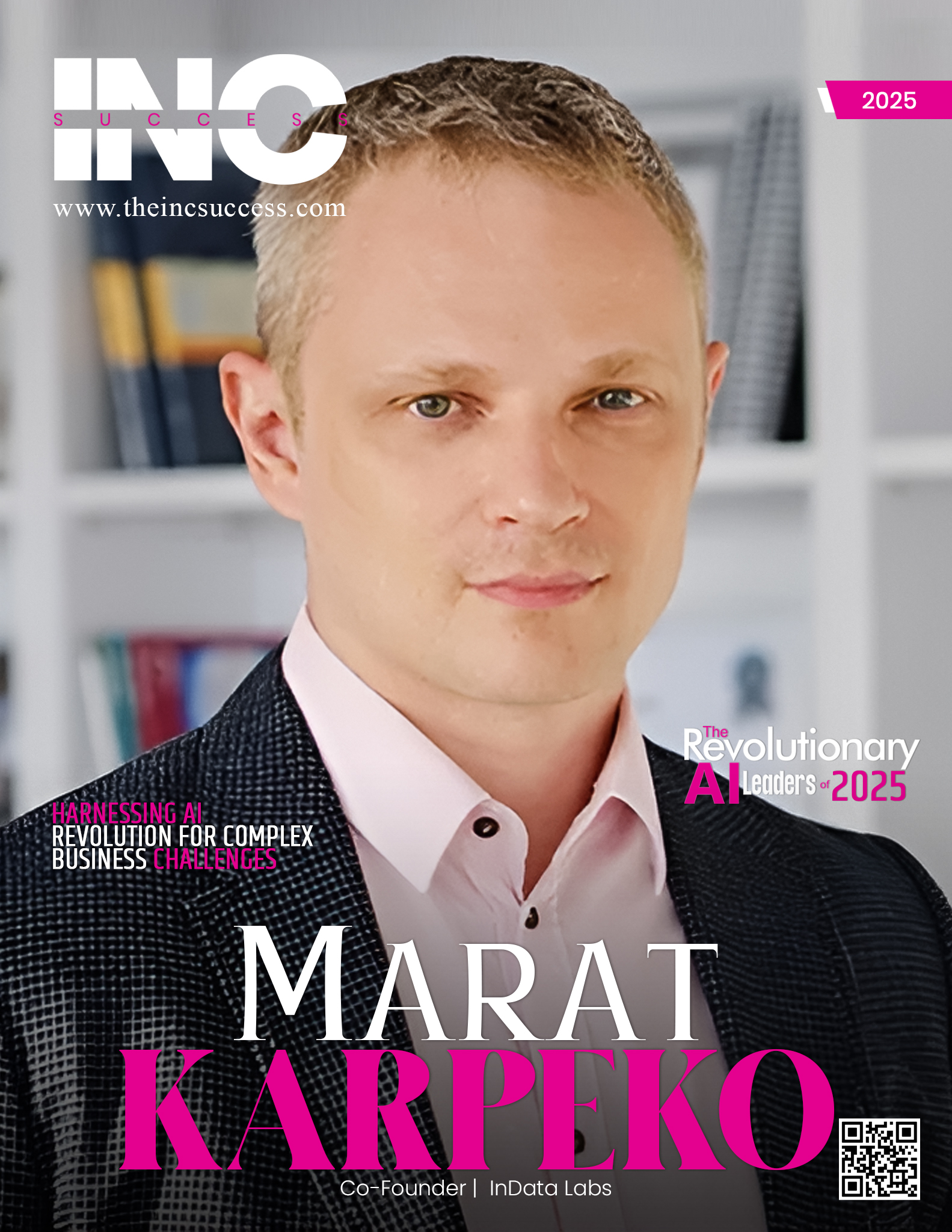

In today’s fast-changing business environment, leadership style plays a critical role in determining organizational success. While micromanagement once dominated traditional workplaces, modern organizations are increasingly recognizing the power of vision-driven leadership. Leaders who focus on vision rather than control create stronger teams, foster innovation, and build sustainable growth. This shift reflects a broader evolution in how leadership is defined and practiced.
Micromanagement often stems from a desire for perfection and control. However, excessive oversight can stifle creativity, reduce morale, and slow decision-making. Employees under constant supervision may feel undervalued and restricted, leading to disengagement and burnout. In contrast, vision-driven leadership emphasizes trust, autonomy, and shared purpose—key elements for thriving in dynamic and competitive environments.
Understanding Vision-Driven Leadership
Vision-driven leadership is centered on creating a clear, compelling picture of the future and aligning teams around that shared goal. Rather than focusing on daily tasks and minute details, vision-driven leaders communicate purpose, values, and long-term objectives. This approach empowers employees to make decisions independently while remaining aligned with organizational goals.
By setting a strong vision, leaders provide direction without limiting creativity. Employees understand not only what they are doing, but why they are doing it. This clarity enhances motivation, accountability, and engagement, resulting in higher performance and stronger commitment to the organization.
The Limitations of Micromanagement
Micromanagement focuses heavily on control, often requiring constant supervision and approval for even minor decisions. While it may offer short-term efficiency, it creates long-term challenges. Employees may become overly dependent on leadership, hesitant to take initiative, and resistant to innovation.
Additionally, micromanagement increases stress levels for both leaders and employees. Leaders become overwhelmed with operational details, leaving little time for strategic thinking. Employees, on the other hand, may feel mistrusted and undervalued, which negatively impacts morale and productivity. Over time, this environment can lead to high turnover and reduced organizational agility.
How Vision-Driven Leadership Enhances Performance
Vision-driven leadership shifts the focus from control to collaboration. By trusting employees and encouraging autonomy, leaders unlock their team’s full potential. This approach fosters innovation, as individuals feel safe experimenting with new ideas and solutions.
Furthermore, vision-driven leaders promote accountability by empowering employees to take ownership of their work. When individuals are aligned with a shared mission, they are more likely to act proactively and responsibly. This results in faster decision-making, improved efficiency, and a stronger organizational culture.
Impact on Organizational Culture and Growth
Organizations led by vision-driven leaders tend to cultivate positive, growth-oriented cultures. Open communication, mutual trust, and continuous learning become integral parts of daily operations. Such environments attract top talent and encourage long-term employee retention.
From a growth perspective, vision-driven leadership enables organizations to adapt to change more effectively. By focusing on long-term goals rather than short-term control, leaders can navigate uncertainty and drive sustainable success. This adaptability is essential in industries shaped by rapid technological and market shifts.
Conclusion
Vision-driven leadership consistently outperforms micromanagement in modern organizations. By prioritizing purpose, trust, and empowerment, leaders create environments where employees can thrive and innovate. While micromanagement may offer the illusion of control, it limits growth and engagement. Vision-driven leadership, on the other hand, builds resilient teams, strong cultures, and lasting success.
As businesses continue to evolve, leaders who embrace vision over control will be better equipped to inspire, adapt, and lead their organizations into the future.