In today’s evolving hospitality industry, luxury is no longer defined solely by grand architecture, elegant interiors, or five-star amenities. Modern travelers increasingly value something far more meaningful: experiences that feel personal, thoughtful, and uniquely tailored to their preferences. From remembering a returning guest’s favorite coffee to arranging a customized itinerary, personalization is becoming a defining element of exceptional hospitality.
As guest expectations continue to evolve, hotels are rethinking how they deliver service. The focus is shifting from providing the same premium experience to every guest toward creating individual moments that make each stay feel special.
Understanding the New Meaning of Luxury
Traditional luxury hospitality has long emphasized premium accommodation, exclusive facilities, fine dining, and impeccable service. While these elements remain important, they are no longer the only factors that distinguish an exceptional hotel from its competitors.
Today’s travelers seek experiences that reflect their lifestyles, interests, and personal preferences. Business travelers may prioritize efficiency, privacy, and seamless connectivity, while leisure guests may appreciate wellness experiences, local cultural activities, or personalized dining recommendations.
This shift has encouraged hotels to adopt a more guest-centric approach. Rather than simply meeting expectations, leading hospitality brands are working to anticipate individual needs and create meaningful connections throughout the guest journey.
True luxury is increasingly measured by how well a hotel understands its guests and how effortlessly it translates that understanding into memorable experiences.
The Power of Knowing Your Guests
Personalization begins with understanding the people behind each reservation. Guest preferences, previous stays, special occasions, dietary requirements, and service feedback can all help hotels deliver more relevant experiences.
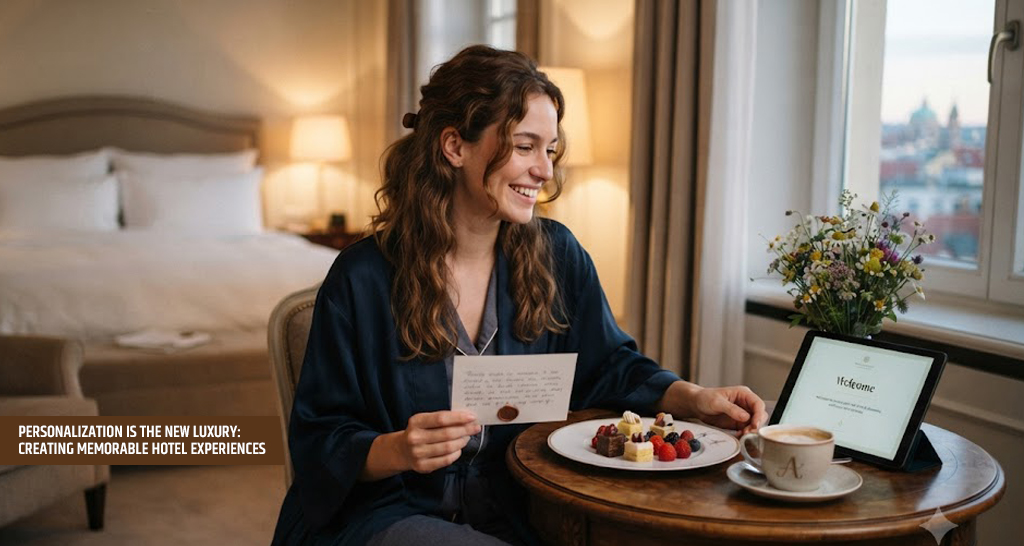
For example, when a returning guest arrives to find their preferred room temperature already adjusted, their favorite beverage available, or their usual pillow arrangement prepared, the experience feels effortless. These small details communicate attentiveness without requiring the guest to make repeated requests.
However, effective personalization extends beyond remembering preferences. It involves recognizing that every guest has different expectations and adapting service accordingly.
Hotels can strengthen this approach by combining thoughtful staff interactions with customer relationship management systems and guest preference platforms. When used responsibly, these tools help teams deliver consistent, individualized service while respecting guest privacy.
Technology Is Making Personalization Smarter
Digital innovation is creating new opportunities for hotels to understand and respond to guest needs. Artificial intelligence, data analytics, mobile applications, and smart-room technologies are helping hospitality businesses make experiences more convenient and relevant.
AI-powered systems can support personalized recommendations, respond to common guest inquiries, and help staff identify service preferences. Mobile check-in, digital room controls, and customized activity suggestions can also give travelers greater flexibility during their stay.
For instance, a hotel might recommend a quiet workspace and express laundry service to a business traveler, while suggesting a spa treatment or a local culinary experience to a leisure guest.
Yet technology alone cannot create genuine hospitality. Its greatest value lies in supporting employees, reducing unnecessary friction, and allowing staff to focus on meaningful human interactions.
The most successful hotels will be those that balance digital convenience with the warmth, empathy, and personal attention that define outstanding service.
Creating Memorable Moments Through Personal Service
Memorable hospitality often emerges from seemingly small gestures. A personalized welcome for a couple celebrating an anniversary, a thoughtful arrangement for a family traveling with children, or a carefully prepared meal that accommodates dietary preferences can transform an ordinary stay into a lasting memory.
These moments do not always require substantial investment. They require observation, communication, creativity, and a genuine commitment to guest satisfaction.
Empowering employees to make thoughtful decisions is equally important. When hotel teams have the flexibility to resolve concerns, respond to special requests, and offer appropriate gestures of goodwill, they can create more authentic experiences.
Consistency also matters. Personalization should not be limited to the front desk or concierge. From housekeeping and food and beverage services to reservations and guest relations, every department contributes to the overall impression a hotel creates.
Personalization and the Rise of Experiential Hospitality
Travelers increasingly look for experiences that connect them with the destination, its culture, and its people. This has expanded the role of personalization beyond the hotel property itself.
Hotels can curate experiences around individual interests, including local food tours, cultural excursions, wellness activities, art workshops, outdoor adventures, and exclusive destination recommendations.
A guest interested in regional cuisine might appreciate a private cooking session with a local chef, while a traveler passionate about architecture could benefit from a customized tour of historically significant landmarks.
Such experiences allow hotels to become more than places to stay. They become partners in creating meaningful travel memories.
By collaborating with local businesses, artisans, guides, and cultural organizations, hotels can deliver distinctive experiences while supporting the communities in which they operate.
The Importance of Privacy and Trust
Although personalization depends on understanding guest preferences, it must never come at the expense of privacy. Travelers want relevant service, but they also expect transparency and control over how their personal information is collected and used.
Hotels should establish clear data-handling practices, limit access to sensitive information, obtain appropriate consent, and follow applicable privacy regulations. Guests should feel recognized and valued, not monitored.
Staff training is equally essential. Employees must understand how to use guest information professionally and discreetly, ensuring that personalized service feels natural rather than intrusive.
Trust is a fundamental component of luxury. When guests feel confident that their information is handled responsibly, hotels can build stronger relationships and encourage long-term loyalty.
Measuring the Business Value of Personalization
Personalization is not only a service philosophy; it can also support measurable business outcomes. When implemented effectively, tailored experiences may improve guest satisfaction, strengthen repeat bookings, encourage positive reviews, and create opportunities for relevant additional services.
Hotels can evaluate their efforts through several indicators:
-
Guest satisfaction scores: Assess whether personalized service improves the overall stay.
-
Repeat booking rates: Track whether guests return after receiving tailored experiences.
-
Guest feedback and reviews: Identify which personal touches create the greatest value.
-
Ancillary revenue: Evaluate relevant offers for dining, wellness, activities, and other services.
-
Guest engagement: Monitor participation in personalized experiences and loyalty programs.
The goal is not to personalize every interaction simply to generate revenue. Rather, it is to understand guests better, deliver genuine value, and build relationships that benefit both travelers and the business.
The Future of Luxury Hospitality
As the hospitality industry continues to evolve, personalization is likely to become an increasingly important differentiator. Travelers will expect greater convenience, more relevant recommendations, and services that adapt to their individual needs.
Hotels that combine thoughtful service, responsible technology, employee empowerment, and authentic destination experiences will be better positioned to meet these expectations.
Nevertheless, the foundation of personalization will remain human understanding. Technology can identify patterns and streamline processes, but empathy enables hospitality professionals to recognize what truly matters to each guest.
The future will not belong exclusively to the hotels with the most advanced technology or the most extravagant facilities. It will increasingly favor those that use their resources to make guests feel understood, respected, and genuinely welcome.
Conclusion
Personalization is redefining what luxury means in modern hospitality. It shifts the focus from simply delivering premium services to creating experiences that reflect each guest’s preferences, expectations, and aspirations.
Through thoughtful gestures, intelligent technology, cultural connections, and genuine human interaction, hotels can turn routine stays into meaningful memories.
Ultimately, the most memorable hotel experience is not always the most extravagant one. It is the experience that makes a guest feel that every detail was considered, every interaction mattered, and their presence was truly valued.
In the new era of luxury hospitality, the greatest luxury is not simply being served exceptionally well. It is being understood.