In today’s competitive hospitality industry, providing a comfortable room is no longer enough to impress guests. Travelers are looking for experiences that are personalized, seamless, and emotionally engaging. Whether they are visiting for business, leisure, or a special occasion, guests remember how a hotel made them feel. Creating memorable experiences has become the foundation of successful hospitality and a key driver of long-term business growth.
Understanding Guest Expectations
Modern travelers expect more than quality accommodations—they seek convenience, authenticity, and personalized service. From effortless online booking and digital check-in to customized room preferences and local recommendations, every interaction shapes the guest’s perception. Hotels that actively listen to guest feedback and anticipate their needs are better positioned to exceed expectations and build lasting relationships.
Exceptional Service Makes the Difference
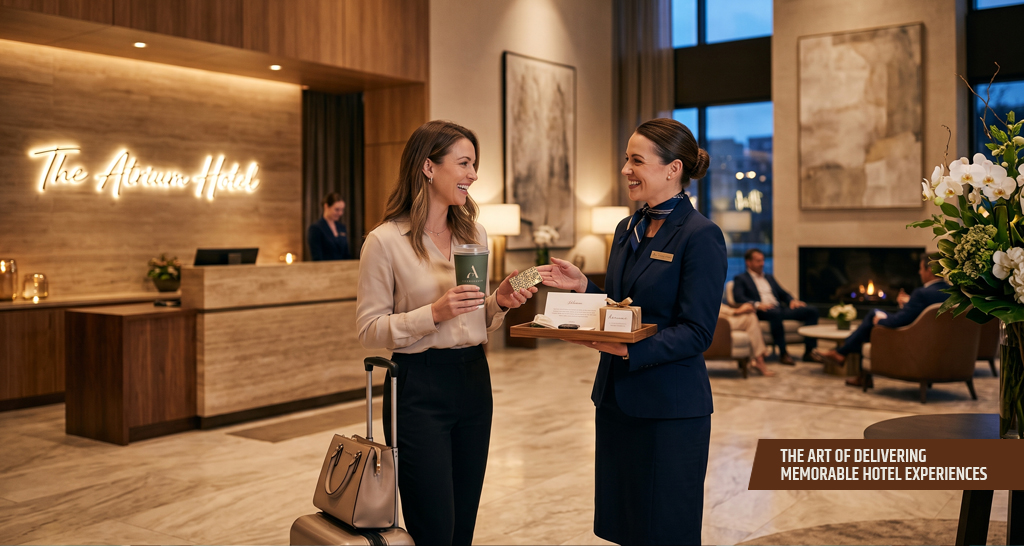
Outstanding hospitality begins with people. Friendly, knowledgeable, and attentive staff create meaningful moments that guests remember long after their stay. A warm welcome, prompt assistance, and genuine care can transform a routine visit into an exceptional experience. Empowering employees with the right training and decision-making authority enables them to resolve issues quickly and deliver service that consistently exceeds expectations.
Personalization Creates Lasting Impressions
Personalization has become one of the most valuable aspects of modern hospitality. Remembering a returning guest’s preferences, celebrating special occasions, or recommending activities based on individual interests makes every stay feel unique. By combining guest insights with thoughtful service, hotels can create emotional connections that encourage repeat visits and positive word-of-mouth recommendations.
Technology Enhances the Guest Journey
Digital innovation is reshaping the hospitality landscape. Mobile check-in, smart room controls, AI-powered concierge services, and contactless payments improve convenience while allowing staff to focus on delivering personalized interactions. Hotels that strategically adopt technology can streamline operations, reduce wait times, and provide a smoother, more enjoyable guest experience.
Creating Memorable Spaces
The physical environment plays a significant role in guest satisfaction. Well-designed interiors, comfortable furnishings, relaxing public spaces, and attention to cleanliness contribute to a welcoming atmosphere. Incorporating local culture, art, and cuisine into the hotel experience adds authenticity and gives guests a stronger connection to the destination.
Turning Guests into Loyal Advocates
A memorable experience doesn’t end at check-out. Following up with thank-you messages, requesting feedback, and offering exclusive rewards for future stays helps maintain strong relationships. Satisfied guests are more likely to leave positive reviews, recommend the hotel to others, and become loyal ambassadors for the brand.
Conclusion
Delivering memorable hotel experiences requires the perfect balance of exceptional service, thoughtful personalization, innovative technology, and attention to detail. Hotels that consistently focus on creating meaningful guest experiences not only achieve higher satisfaction and stronger loyalty but also build a lasting reputation in an increasingly competitive industry. As hospitality continues to evolve, the hotels that prioritize memorable experiences will be the ones that thrive.