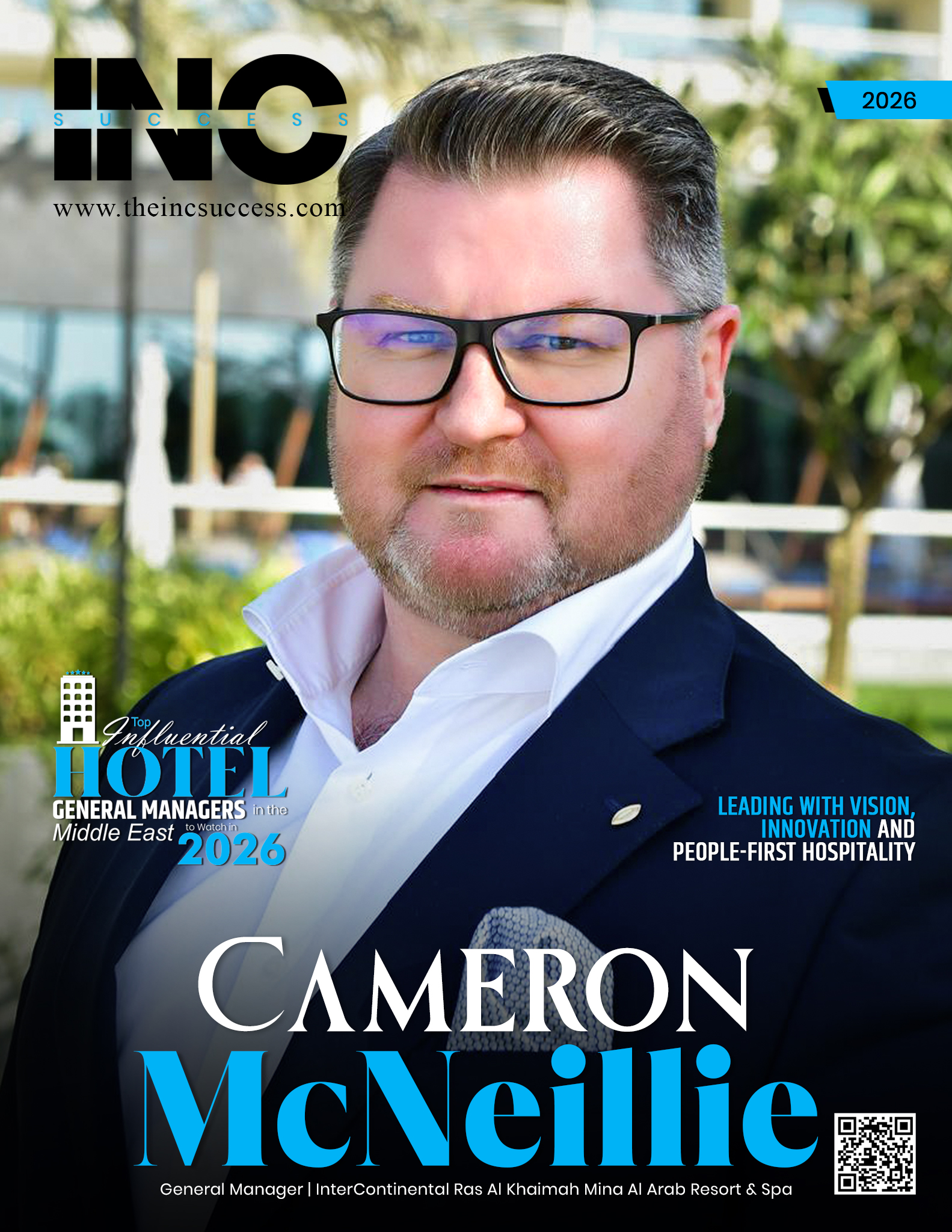
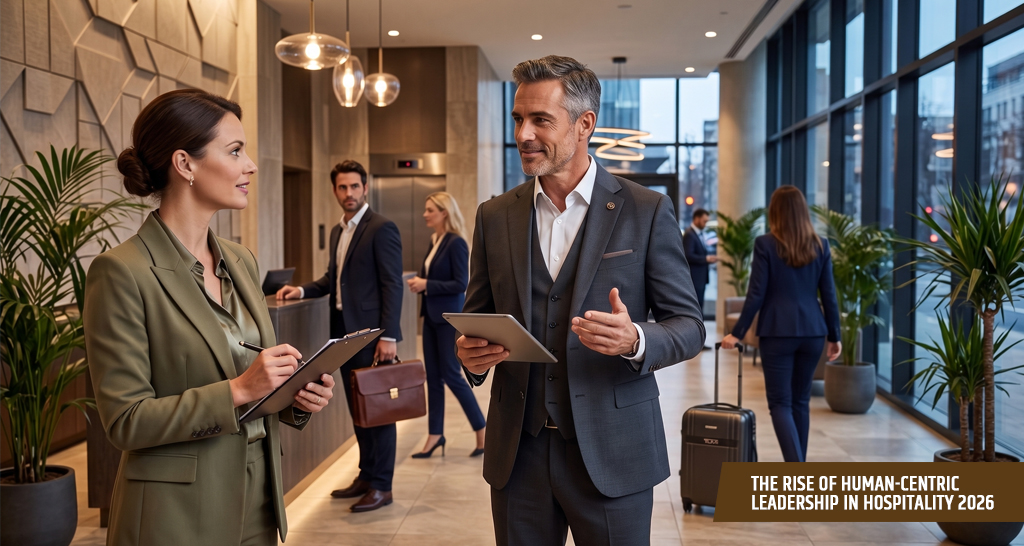
The hospitality industry in 2026 is no longer defined only by luxury, technology, or operational efficiency. The real differentiator today is people. Across hotels, resorts, restaurants, and travel brands, organizations are shifting toward a more human-centric leadership style that prioritizes employee well-being, emotional intelligence, inclusion, collaboration, and authentic guest experiences.
As automation and AI continue transforming hospitality operations, industry leaders are realizing that technology alone cannot create memorable experiences. Human connection remains the heart of hospitality, and leadership strategies are evolving to reflect that reality.
What is Human-Centric Leadership?
Human-centric leadership is a leadership approach focused on people before processes. Instead of relying on rigid hierarchies and traditional command-and-control management, modern hospitality leaders are building workplaces centered around empathy, trust, transparency, flexibility, and purpose.
This leadership model encourages:
- Employee empowerment
- Emotional intelligence
- Open communication
- Mental wellness support
- Collaborative decision-making
- Personalized employee development
In hospitality, where guest satisfaction depends heavily on employee engagement, this approach is becoming essential rather than optional.
Why Human-Centric Leadership is Rising in 2026
1. Talent Retention Has Become a Major Challenge
Hotels and hospitality brands globally continue facing labor shortages and high employee turnover. Industry experts predict the hospitality sector will require millions of new workers in the coming years, making employee retention one of the industry’s biggest priorities.
Employees today expect more than salaries. They seek:
- Purpose-driven work
- Career growth
- Work-life balance
- Inclusive workplaces
- Supportive leadership
Organizations that fail to provide these elements risk losing talent to competitors.
2. Gen Z is Redefining Workplace Culture
Generation Z employees are reshaping hospitality leadership expectations. Unlike previous generations, they value authenticity, flexibility, mental wellness, diversity, and meaningful work environments.
Modern hospitality professionals want leaders who:
- Listen actively
- Show empathy
- Encourage creativity
- Promote inclusivity
- Support mental health
As a result, hospitality companies are moving away from strict corporate structures toward more collaborative and people-focused cultures.
3. AI is Increasing the Value of Human Skills
Artificial Intelligence is transforming hotel operations through automation, predictive analytics, personalized recommendations, and smart guest experiences. However, the rise of AI is actually increasing the importance of human-centered leadership.
Technology can automate tasks, but it cannot replace:
- Emotional intelligence
- Human empathy
- Relationship building
- Creativity
- Personalized care
The most successful hospitality brands in 2026 are those balancing AI-driven efficiency with genuine human interaction.
Key Characteristics of Human-Centric Hospitality Leaders
Empathy-Driven Management
Leaders are prioritizing employee emotions, challenges, and well-being. Understanding staff concerns creates stronger workplace trust and engagement.
Transparent Communication
Open communication builds loyalty and reduces workplace stress. Employees increasingly expect honest conversations and leadership accessibility.
Employee Wellness Focus
Hospitality companies are investing heavily in:
- Mental health programs
- Flexible scheduling
- Wellness initiatives
- Burnout prevention
- Work-life balance strategies
Organizations embedding well-being into company culture are seeing stronger productivity and employee satisfaction.
Purpose-Led Leadership
Employees are more motivated when they understand the larger purpose behind their work. Human-centric leaders connect business goals with meaningful impact.
Collaborative Decision-Making
Modern hospitality leadership encourages teamwork and employee participation instead of top-down management structures.
Impact on Guest Experience
Human-centric leadership directly improves guest experiences. Happy, motivated employees naturally provide:
- Better customer service
- More authentic interactions
- Faster problem-solving
- Personalized hospitality
- Stronger emotional connections
Guests increasingly value emotional experiences over transactional service. Hotels that create positive employee cultures often deliver stronger guest loyalty and brand reputation.
The Future of Hospitality Leadership
The future of hospitality belongs to organizations that understand a simple truth: people create experiences.
In 2026, leadership success is no longer measured only by profits or operational performance. It is measured by how effectively leaders inspire teams, build healthy workplace cultures, and create meaningful human connections.
Human-centric leadership is not just a workplace trend — it is becoming the foundation of sustainable hospitality growth in the modern era. Companies that invest in people-first leadership today will be the brands that shape the future of global hospitality tomorrow.